
 By Admin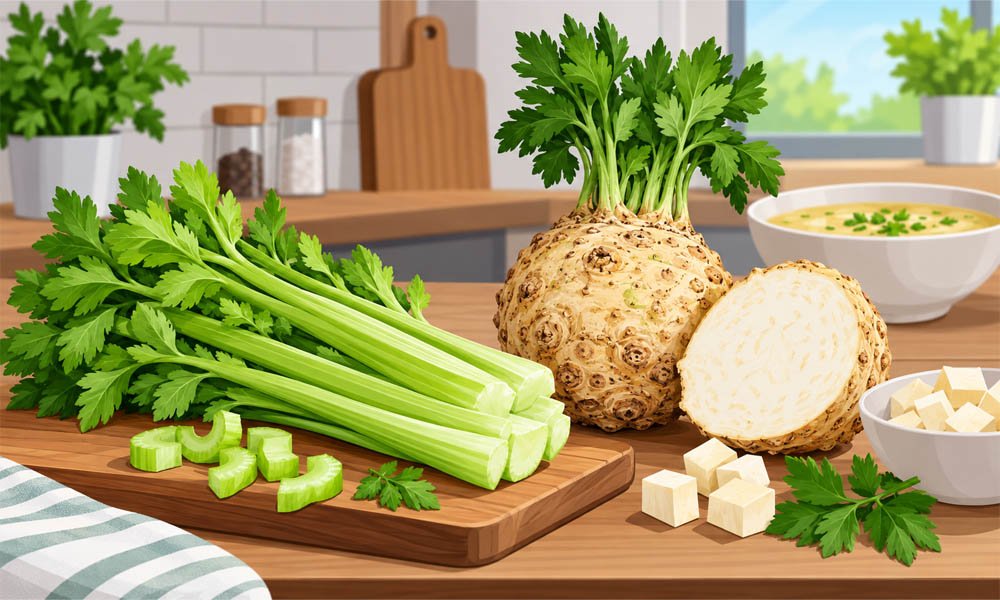
Pravi Celer may sound like a rare vegetable. Yet the truth is much simpler. The name is linked to celery. It is used in Croatian plant naming. It can also appear in Balkan recipes and food guides.
This can cause some confusion. One website may call Pravi Celer celery. Another may say it means celery root. Both ideas are linked. Still they do not tell the full story. The type of celery in a recipe matters.
In this Pravi Celer review we will make everything simple. We will look at its meaning. We will also cover its plant family and main types. Then we will compare it with regular celery and celeriac.
What Is Pravi Celer?
Pravi Celer is a common Croatian name linked to Apium graveolens. This is the plant species we know as celery. So Pravi Celer is not a strange new vegetable. It belongs to a very familiar plant.
The same species can give us different forms of celery. Some plants are grown for thick stalks. Others have useful leaves. Another form is grown for its large round base. We know that form as celeriac.
This is why the name can be confusing in recipes. If someone says Pravi Celer they may be talking about the celery species in general. The exact form often becomes clear when you see how the food is prepared.
What Does Pravi Celer Mean?
The name becomes easier when we look at the two words. “Pravi” can mean real or true. “Celer” means celery. So a simple English meaning is “real celery” or “true celery.”
However this does not mean the plant is better than other celery. It does not mean organic celery either. The word “pravi” is part of the common name. It is not a special health or quality label.
You may see the term in a Croatian garden guide. You could also find it in an old family recipe. In these cases look at the full text. Words such as stalk leaves root grated or diced can reveal the type needed.
Pravi Celer and Its Plant Family
Pravi Celer belongs to the Apiaceae family. This plant family also includes well-known foods such as carrots and parsley. Celery has its own clear smell and taste. This makes it useful in many kinds of cooking.
There are three forms that are useful to know. Stalk celery is grown mainly for its crisp stems. Leaf celery gives us more leaves and thin stems. Celeriac is grown for its large rough base.
These forms can look very different. A bunch of green celery does not look much like a round celeriac. Yet they are connected through the same species. This is an important fact to remember when reading recipes.
Pravi Celer vs Regular Celery
Is Pravi Celer different from regular celery? Not in the way many people think. Both names can lead back to Apium graveolens. The main difference usually comes from the form of celery being discussed.
Regular supermarket celery often has long green stalks. They are crisp and full of water. People eat them raw. They are also chopped for soup and stock. The leaves can add extra celery taste to cooked food.
Pravi Celer should not be treated as a second species beside this celery. Think of it as a regional plant name. If a Croatian recipe shows long green stalks then normal stalk celery may be exactly what you need.
Is Pravi Celer the Same as Celeriac?
This is where much of the online confusion starts. Celeriac is sometimes called celery root. It has a large round and rough base. It looks very different from the long celery stalks found in many food shops.
Celeriac still comes from the celery species. It has been grown to produce a much larger base. People peel this part and use the pale flesh inside. It can be roasted or boiled. It also works well in soup and mash.
So Pravi Celer can mean celeriac in the right recipe. But it does not always mean celeriac. If the recipe asks for green stalks or leaves then buying celery root would give you a very different result.
What Does Pravi Celer Taste Like?
The taste depends on which form you have. Stalk celery has a fresh green taste. It can be a little bitter. It is also crisp and juicy. This makes it useful in salads and simple raw snacks.
The leaves often have a stronger smell and taste. A few leaves can add plenty of flavor to soup or stock. This is why throwing away every celery leaf can be a waste. Clean fresh leaves are useful in cooking.
Celeriac has a different feel. Its taste still reminds you of celery. Yet it is more earthy and firm. Cooking makes it softer and milder. This is why celeriac works well in warm soups and smooth mash.
How to Use Pravi Celer in Cooking
Pravi Celer can be very useful in the kitchen. If you have stalk celery you can chop it for soup. It works well with carrots and onions. Together they can make a simple flavor base for many meals.
You can also eat the stalks raw. Slice them for a salad or serve them with a simple dip. Fresh celery gives food a nice crunch. Its leaves can go into stock sauces and soups for extra flavor.
Celeriac needs different care. Its rough outside should be cut away before cooking. The inside can then be cut into pieces. You can roast it or boil it. You can also mix mashed celeriac with potato.
The main rule is easy to remember. Do not choose your celery only from the words Pravi Celer. Look at what the recipe asks you to do with it. That clue will often tell you which form you need.
How to Choose the Right Pravi Celer
Choosing the right Pravi Celer is easy when you know what the recipe needs. Look at the part being used. Long green stalks mean normal celery. A rough round base usually means celeriac.
The cooking steps can also help. If the recipe says to slice stalks then buy stalk celery. If it asks you to grate or peel a large base then celeriac is likely the right choice.
Photos can be helpful too. Old Balkan recipes may simply say “celer.” They may not explain the type. Look at the finished dish and cooking steps. These clues can save you from buying the wrong vegetable.
Best Pravi Celer Substitutes
The best substitute depends on the type of Pravi Celer you need. If a soup calls for celery stalks then regular supermarket celery is the easiest choice. Celery leaves can also add a stronger smell and taste.
Celeriac is harder to replace. Parsnip or turnip can give a similar firm feel in soups and cooked meals. Yet they do not taste exactly like celery. The final dish may have a slightly different flavor.
You can also mix two foods. Try a root vegetable for body and a little celery for flavor. This can work well when celeriac is hard to find. It will not be exact but it can come close.
Pravi Celer Nutrition and Benefits
Pravi Celer can be part of a healthy and varied diet. Stalk celery contains lots of water. It also gives us fiber and several useful nutrients. Celeriac has less water and a more dense texture.
The exact nutrition changes with the form and serving size. This is another reason not to treat stalk celery and celeriac as the same food in every case. Both can still fit well into everyday meals.
Be careful with big health claims online. Celery is not a magic cure. It does not need to be called a “detox” food to be useful. It is simply a fresh vegetable that can add flavor and variety.
How to Store Pravi Celer
Fresh stalk celery should feel firm and crisp. Avoid stalks that are very soft or badly damaged. Healthy leaves should look fresh. A little natural change in color is normal as celery gets older.
Keep stalk celery in the fridge. Protecting it from drying out can help it stay crisp. Wash it before eating. Dirt can sometimes hide near the bottom or between the stalks.
Celeriac looks rough even when it is fresh. Do not judge it by its strange skin. Pick one that feels firm and heavy. Once you cut it open keep the unused part covered in the fridge.
Can You Grow Pravi Celer at Home?
Yes. You can grow Pravi Celer at home. First decide what you want to harvest. Choose stalk celery seeds if you want crisp stems. Choose a celeriac type if you want the large edible base.
Celery likes rich soil and steady water. Letting the soil become very dry again and again can hurt the plant. Regular care works better than giving it lots of water only once in a while.
Celeriac can take a long time to grow. This means you need some patience. Local weather also matters. In 2026 gardeners can find many seed types but it is still best to choose one suited to their area.
Pravi Celer Allergy and Safety
There is one important safety point to know. Celery can cause an allergic reaction in some people. This can include stalk celery as well as leaves seeds and foods made with celery.
Celeriac should not be seen as a safe choice for someone with a celery allergy. It comes from the same celery species. Looking different does not mean it is safe for a person who reacts to celery.
Celery can also hide in prepared food. It may appear in soup stock sauces or seasoning mixes. Anyone with a known allergy should read food labels carefully and follow advice from their doctor.
Common Myths About Pravi Celer
One common myth says Pravi Celer is a rare new vegetable. That is not correct. The name is linked with Apium graveolens. This is the same plant species that gives us familiar forms of celery.
Another myth says Pravi Celer always means celery root. Celeriac may be the right meaning in some recipes. But the words can also relate to stalk or leaf celery. Context gives us the better answer.
You may also see claims that “pravi” means the celery is organic or much healthier. The word itself does not prove this. Pravi Celer does not need wild health claims. Its real food value is useful enough.
Conclusion
Pravi Celer sounds unusual at first. Once we understand the name the idea becomes simple. It is connected with Apium graveolens. This species includes stalk celery leaf celery and the form known as celeriac.
The most useful tip is to check the recipe. Look for words such as stalk leaf root peel grate or dice. A picture can help too. These small clues tell you which form of celery the cook likely means.
Pravi Celer can be eaten raw or cooked depending on the form. It can add crunch to salads and flavor to soups. Celeriac can make filling roasts soups and mash. The right type depends on your dish.
So do not let the unfamiliar name make the ingredient seem difficult. Think about the plant part you need. Once you know that buying storing and cooking Pravi Celer becomes much easier.
(FAQs)
What is Pravi Celer in English?
Pravi Celer can be understood as “true celery” or “real celery.” The Croatian plant name is linked with Apium graveolens. This is the species commonly known as celery in English.
Is Pravi Celer regular celery?
Pravi Celer is linked to the same species as regular celery. The exact form may differ. A recipe could mean stalk celery leaf celery or celeriac depending on how it is used.
Is Pravi Celer the same as celery root?
Not always. Celery root is another name for celeriac. Celeriac belongs to the celery species but Pravi Celer should not always be translated as celeriac. Check the recipe for clues.
Can you eat Pravi Celer raw?
Yes. Celery stalks and fresh leaves can be eaten raw. Celeriac can also be eaten raw after its rough outside is removed. It is often cut thin or grated for salads.
What is the best substitute for Pravi Celer?
It depends on the recipe. Normal celery works for stalks and leaves. For celeriac you can try parsnip or turnip. Adding some celery can help bring a closer celery flavor.
Is Pravi Celer healthy?
Celery can be part of a balanced diet. It provides water fiber and useful nutrients. Celeriac has a different food profile. Neither form should be treated as a magic cure or special detox food.
Can people with a celery allergy eat celeriac?
People with a known celery allergy should not assume celeriac is safe. Celeriac comes from the celery species too. They should follow medical advice and check food labels carefully.
You may also read: Val Studio Solution: A Smarter Way to Create Digital Content