
 By Admin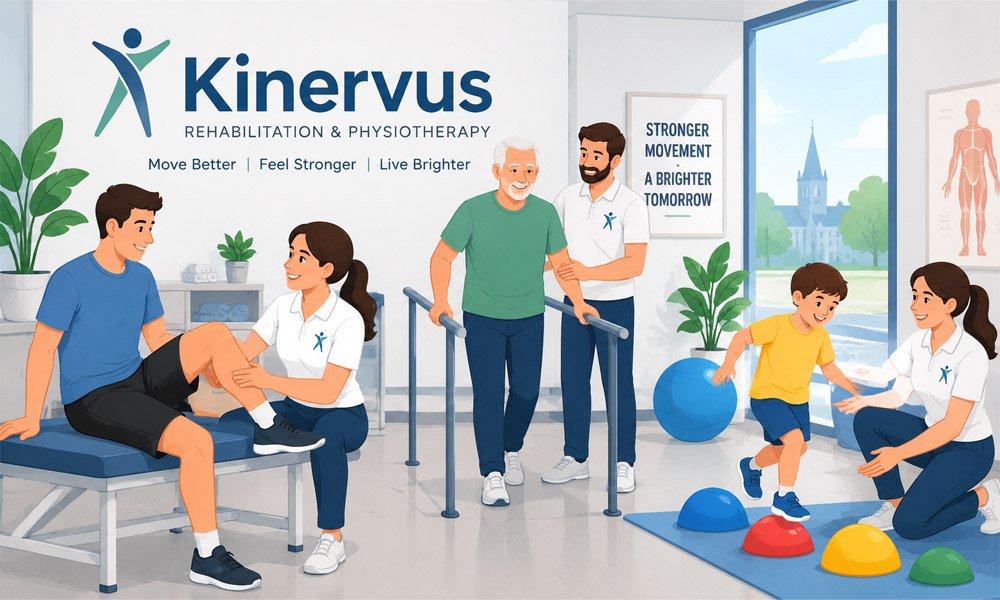
Have you ever seen two people with the same injury heal at a different speed? One may feel better soon. The other may need more time. This is because each body and each recovery story can be very different.
Good care should fit the person. It should look at their movement and daily needs. It should also look at their goals. This simple idea is at the heart of the Kinervus Solution and its way of giving rehab care.
In this guide we will explore Kinervus in 2026. We will look at its personal care plans and rehab services. We will also learn how it helps adults and children work toward better movement and a more active daily life.
What Is Kinervus and How Does It Help?
Kinervus is a physiotherapy and rehab center in Alken in Belgium. It was started in 2019 by Stefanie Ver Eecken. The center works with people who have movement problems and people who need support during recovery.
The main goal is easy to understand. Kinervus wants to help people move better and become more independent. Its care can support people with injuries and pain. It can also help people who face harder movement problems.
Think about a person who finds walking hard after a health problem. That person may need help with strength and balance. Another person may need help after an injury. Kinervus looks at these needs before planning care.
Kinervus Solution and Its Personal Care Approach
The Kinervus Solution is built around personal care. This means one plan is not simply used for every patient. Therapists first try to learn about the person and the problems that affect their normal daily life.
For example a runner with knee pain may want to return to sport. An older person with similar pain may only want to walk without trouble. Their pain may seem alike. Yet their goals are not the same.
Kinervus uses these goals to guide care. Therapists can ask what feels hard and what the patient hopes to do again. This helps make treatment feel useful. It also gives the patient a clear reason to keep working.
How Kinervus Creates a Recovery Plan
A good recovery plan starts with learning what the patient needs. At Kinervus this can begin with a careful check. The therapist looks at movement and strength. Balance and other problems may also be checked when needed.
The patient also has a voice in this step. A therapist may ask what daily tasks are difficult. Walking may be hard for one person. Another person may want to get back to work or enjoy a sport again.
The plan can change as the person gets better. Early exercises may be simple. New exercises can be added as strength and movement improve. This step-by-step method helps the Kinervus Solution stay linked to the patient’s progress.
Kinervus Neurological Rehabilitation
Neurological rehab is an important part of Kinervus care. It is made for people who have problems linked to the brain and nerves. These problems can make normal actions such as walking or keeping balance much harder.
This type of care may support people after a stroke. It may also help people living with Parkinson’s disease or multiple sclerosis. People with some brain injuries and other nerve conditions may need this kind of special rehab too.
Practice is a key part of this care. The brain can adapt and learn through repeated tasks. This is called neuroplasticity. A patient may practice the same safe movement many times to help the brain and body work together better.
Kinervus Therapy for Children
Children can also have movement problems. Some may find balance hard. Others may need help with walking or body control. The Kinervus Solution includes therapy made around the different movement and growth needs of children.
Therapy for a child should not always feel like a hard lesson. Simple games and fun tasks can be used during a session. A child may play while also working on strength and better control of their body.
Each child grows in their own way. For this reason the same plan will not fit every child. Kinervus can build therapy around what a child can do now and what skills they need to work on next.
How Kinervus Works With Families
Parents can play a helpful role when a child needs therapy. A therapist only sees the child for part of the week. Family members spend much more time with them. Their support can help make daily practice easier.
Kinervus can explain the child’s care to parents. Families may learn simple activities that can support movement at home. Clear advice also helps parents understand why certain tasks are being used during the child’s therapy sessions.
This creates teamwork between the child and family and therapist. Parents can better understand progress. Children can also feel supported outside the clinic. This family approach adds another useful part to the Kinervus Solution and child care.
Kinervus Treatment for Pain and Injuries
Pain can make simple parts of life difficult. Back pain can make sitting or working uncomfortable. Joint pain can make walking harder. A muscle injury may even stop someone from enjoying a sport or normal daily activities.
Kinervus can help with problems linked to muscles and joints. Care may also support recovery after an injury or surgery. Therapists look at movement and strength to understand what may be making normal tasks harder for the patient.
The aim is not only to focus on where a person feels pain. Better movement and stronger muscles may also form part of care. The Kinervus Solution aims to support useful progress that can help in everyday life.
Kinervus Lymphatic Drainage Therapy
Some people have swelling because extra fluid builds up in the body. This may happen after surgery or because of some health problems. The swelling can feel heavy. It can also make normal movement harder for some people.
Kinervus offers lymphatic drainage therapy for this type of need. The clinic uses the Vodder method. It uses slow and gentle hand movements on the skin. The aim is to help the body’s natural fluid flow and ease swelling.
This care shows how the Kinervus Solution can cover different recovery needs. One patient may need help with pain. Another may need support with swelling. The treatment choice depends on what each person needs during their recovery.
Modern Treatment Methods at Kinervus
Kinervus can use different treatment methods as part of rehab. One method is dry needling. It is used for some tight muscles and pain problems. A trained therapist decides if this method is right for the patient.
Another method is kinesiotaping. This is a special type of tape placed on parts of the body. You may have seen athletes wearing it. The tape can give support while still letting the person move during normal activities.
Hands-on care and guided exercises may also be part of treatment. Exercises can work on strength and movement. The Kinervus Solution brings different methods together when needed. The aim is to choose care that fits the person.
Kinervus Technology and Smart Recovery Tools
Technology has become a useful part of modern health care in 2026. Kinervus can use tools to better understand how a patient moves. These tools give therapists more information when they plan and follow rehabilitation care.
Movement analysis can help a therapist study the way someone walks or moves. Small problems may be hard to see at first. Finding these issues can help the therapist choose exercises that focus on the areas needing more work.
Biofeedback and progress tracking can also help during rehab. They can show how the body responds during certain tasks. Patients can see their progress over time. The Kinervus Solution combines useful tools with care from a real therapist.
Kinervus Group Therapy and Patient Support
Recovery can sometimes feel lonely. A person may spend weeks or months working on the same skills. Being around other people who are also working toward recovery can make the experience feel more social and encouraging.
Kinervus offers group sessions for some patients. These can be useful for people with neurological movement problems. Patients may work on balance and strength together while a therapist guides the group and makes sure activities are done safely.
There is also a social side to group care. Imagine seeing another person finally complete a task they found hard. That moment may give others hope. Group sessions can help patients feel connected while they work toward their own goals.
Why the Kinervus Solution Stands Out
One key part of the Kinervus Solution is personal care. Patients do not all have the same body or goals. A useful rehab plan should understand these differences instead of treating every person in exactly the same way.
Kinervus also covers several types of rehab care. This includes neurological rehab and therapy for children. It also includes support for pain and injuries. Lymphatic drainage and other treatment methods may be offered when they fit the patient’s needs.
The center also puts focus on progress. Treatment can change as a person improves. This matters because recovery is not always a straight path. Some weeks may bring big changes. Other weeks may bring only small steps forward.
Who Can Choose Kinervus for Rehabilitation?
Kinervus may be useful for people with different movement needs. This can include people recovering after a stroke. People living with Parkinson’s disease or multiple sclerosis may also need special rehab to support movement and daily tasks.
Children with movement or growth challenges may also receive support. Athletes can need rehab after an injury. Adults with back pain or joint problems may want help so they can move more easily during work and normal daily life.
The right care depends on the person. Someone who wants to walk safely has a different goal from someone who wants to return to sport. The Kinervus Solution focuses on these personal goals when building a path for recovery.
Conclusion
Recovery does not look the same for every person. One person may improve quickly. Another may need more time and support. What matters is having care that understands the person’s needs and gives them clear steps to work toward.
The Kinervus Solution is built around this idea. Kinervus brings together personal rehab plans and different types of therapy. It also uses modern tools when useful. Children and adults can receive care based on their own movement goals.
In 2026 people expect health care to feel personal and clear. Kinervus follows this path by looking beyond one injury or problem. Its wider goal is to help people improve movement and build confidence so daily life can become easier again.
(FAQs)
What is Kinervus?
Kinervus is a physiotherapy and rehabilitation center in Alken Belgium. It helps children and adults with movement problems injuries pain and some neurological conditions. Care is planned around the needs and goals of each patient.
Where is Kinervus located?
Kinervus is located in Alken Belgium. It provides different types of rehabilitation care in one place. Patients can receive support for movement pain injuries and other physical problems based on their needs.
What is the Kinervus Solution?
The Kinervus Solution is a personal approach to rehabilitation. Therapists first study the patient’s movement needs and goals. They then create a care plan that can change as the patient makes progress.
What conditions can Kinervus help with?
Kinervus provides care for different movement problems. These can include recovery after stroke and support for Parkinson’s disease or MS. It can also help with muscle injuries joint problems back pain and recovery after surgery.
Does Kinervus offer neurological rehabilitation?
Yes. Neurological rehabilitation is an important part of Kinervus care. It can support people after a stroke or brain injury. It may also help people with Parkinson’s disease MS and other conditions that affect movement.
Does Kinervus provide therapy for children?
Yes. Kinervus provides therapy for children with movement balance or development needs. Sessions may include simple games and activities. The aim is to help children build useful physical skills in a comfortable setting.
What is lymphatic drainage therapy at Kinervus?
Lymphatic drainage is a gentle treatment used to support people with swelling. Kinervus uses the Vodder method. It involves gentle hand movements that support the natural flow of fluid through the body.
What treatment methods does Kinervus use?
Treatment depends on each person’s needs. Kinervus may use guided exercises hands-on therapy dry needling and kinesiotaping. Different methods can be used together as part of a personal rehabilitation plan.
Does Kinervus use modern technology?
Kinervus can use modern tools to support rehabilitation. These may include movement analysis biofeedback and progress tracking. Such tools can help therapists understand movement and follow changes during the patient’s recovery.
What makes Kinervus different from other rehab centers?
Kinervus focuses strongly on personal care. It looks at the patient’s daily needs and recovery goals instead of using one plan for everyone. It also provides several types of rehabilitation for both children and adults.
You may also read: Döziv: A Simple Solution for Staying Calm During Hard Times